




A regular contributor on dream science and symbol interpretation. Keeps a long-running dream journal and follows research in Jungian psychology and the cognitive neuroscience of sleep. Reads more dream research than is healthy.
How to read dream science seriously: a curated reading order
There is no shortage of writing about dreams. There is a shortage of good writing about dreams. The amount of low-quality material online — listicles, recycled symbolism, mystical certainty — vastly outweighs the careful, evidence-based literature. If you want to actually understand what dreams are and what we know about them, you need to know which sources to trust and what order to read them in. This page is a curated reading guide drawn from the dream-research literature. We have organized the recommendations by what you are actually trying to learn, not by author popularity or publication date. The same book can be the right starting point for one reader and the wrong starting point for another. A note on what this guide is not: it is not a comprehensive bibliography. It is also not balanced — we deliberately favor empirical, neuroscience-grounded sources over psychoanalytic ones, because the empirical literature has held up better and the psychoanalytic tradition is more easily found through other channels anyway. Jung, Freud, and the older psychoanalytic dream literature is genuinely useful, but it should usually be read after you have a basic neuroscience and content-analysis grounding, not before.
For someone starting from scratch, the recommended order is approximately: Hobson → Cartwright → Schredl → (then the older psychoanalytic literature if you want it).
Hobson's contributions — particularly The Dreaming Brain (1988) and Dreaming: An Introduction to the Science of Sleep (2002) — give you the neurological substrate. They explain what the sleeping brain is actually doing during REM, why dream content has the characteristic distortions it does (limbic activation, prefrontal deactivation), and what the AIM (Activation, Input, Modulation) framework predicts about dream content. Read Hobson first because his framework is the empirical baseline against which most other claims about dreams have to be evaluated.
Cartwright's The Twenty-four Hour Mind (2010) is the recommended next step. She brings the laboratory-based dream content research into clinical relevance: how dreams change after divorce, after trauma, during depression. If you want to know what dream content correlates with in real human lives, Cartwright is the cleanest source. She is also a careful writer — readable without being thin.
Schredl's Researching Dreams: The Fundamentals (2018) is the methodological capstone. He lays out how dream content research is actually done — sampling, coding, replication — and why most popular claims about dreams (including many you have probably read on this site) need to be qualified with sample-size and methodological caveats. Read Schredl when you are ready to start being skeptical of your own intuitions.
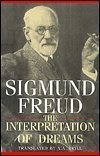
Only after these three should you go to Jung's The Archetypes and the Collective Unconscious (1959) or Freud's Interpretation of Dreams (1900). Both are intellectually serious. Both are also wrong about a lot of specifics, and reading them first tends to lock readers into interpretive frameworks that the empirical literature would not endorse. Read them as historical and philosophical companions, not as primary references.
Quick reference
For complete beginners
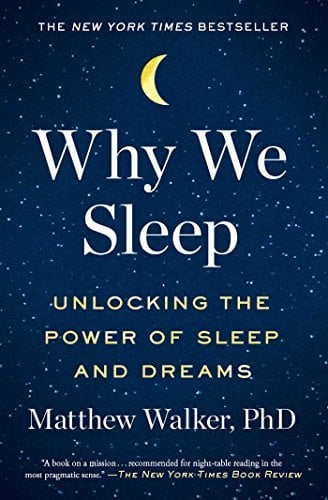
Cartwright (2010), The Twenty-four Hour Mind — accessible, clinical relevance. Walker (2017), Why We Sleep — broader sleep science context. Hobson (2002), Dreaming: An Introduction — neuroscience foundation. Optional: skip Freud and Jung initially — they will read better with empirical context.
For psychology students
Hobson (1988), The Dreaming Brain — the AIM framework, original source. Schredl (2018), Researching Dreams — methodology and content analysis. Domhoff (2003), The Scientific Study of Dreams — neural networks and content analysis tradition. Then Jung and Freud as historical and theoretical context.
For lucid dreaming enthusiasts
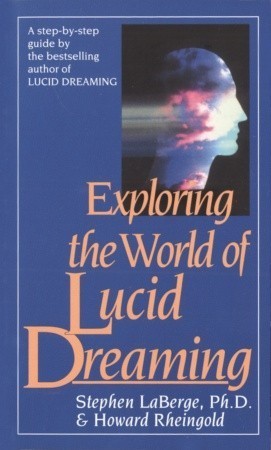
LaBerge (1985), Lucid Dreaming — the founding empirical work. LaBerge & Rheingold (1990), Exploring the World of Lucid Dreaming — practical guide. Aspy et al. (2017) and related induction studies — current empirical landscape. Avoid most online lucid dreaming forums until you have read at least one of the LaBerge books.
References
- Hobson JA (1988). The Dreaming Brain. Basic Books.
- Hobson JA (2002). Dreaming: An Introduction to the Science of Sleep. Oxford University Press.
- Cartwright RD (2010). The Twenty-four Hour Mind: The Role of Sleep and Dreaming in Our Emotional Lives. Oxford University Press.
- Schredl M (2018). Researching Dreams: The Fundamentals. Palgrave Macmillan. Link
- Domhoff GW (2003). The Scientific Study of Dreams: Neural Networks, Cognitive Development, and Content Analysis. American Psychological Association.
- LaBerge S (1985). Lucid Dreaming. Jeremy P. Tarcher / St. Martin's Press.
- LaBerge S, Rheingold H (1990). Exploring the World of Lucid Dreaming. Ballantine Books.
- Walker M (2017). Why We Sleep: Unlocking the Power of Sleep and Dreams. Scribner.
- Jung CG (1959). The Archetypes and the Collective Unconscious. Collected Works Vol. 9, Part 1. Princeton University Press.
- Freud S (1900/1953). The Interpretation of Dreams. Standard Edition, Vols. 4–5. London: Hogarth Press.